
Installing the correct euro cylinder.
July 23, 2025
Avoiding snapped locks, our tips.
Euro cylinder, Anti snap tips, anti snap, UPVC
We're not sure if you have heard, and if you haven't that's what this is for. There is a very simple way of gaining access to a regular Euro cylinder. Now, what is a Euro cylinder and do you have one? Simple, a euro cylinder is installed on almost all UPVC (Plastic) and commercial doors, the only part we normally see is the keyhole area, the front/ back.
The cylinder above is a perfect example of a basic euro cylinder, which has a large flaw. This flaw means anyone with a screwdriver and pliers can gain access to your property very easily. As you can see above, in the center of the euro cylinder there is a hole for a screw. This hole makes the whole cylinder very vulnerable, the only thing there is a small connection, small enough to be easily snapped.
Once this is snapped all the hooks and bolts won't help, they are all operated by that euro cylinder. Once accessed it takes 3 minutes to be in the house and it's a fairly quiet too. It seems a shame that so much is spent on a front door and yet the point that holds all the security is often looked over.
This is why there are a few tips we have for making sure this doesn't happen to your property.
1 - Make sure your locks are the correct size, if the cylinder juts out the front too far it makes the process so much easier and quicker. Without the need to pry the handles away it's silent and done in under 1 minute. This means there's not much point having a lock.
2 - Replace your handles with higher security handles, 2 STAR Kitemarked handles are the best, these make snapping the lock much harder.
3 - We save the best for last, just get an anti snap cylinder. Anti snap cylinders are designed so the front of the cylinder snaps off in case of attack, however the middle part can not be removed. This means no access to your property for burglars.
If you're ever in doubt just give us a call, we always have Anti snap 1 Star Kitemarked cylinders in our cars.
Call - 0203-151-0531
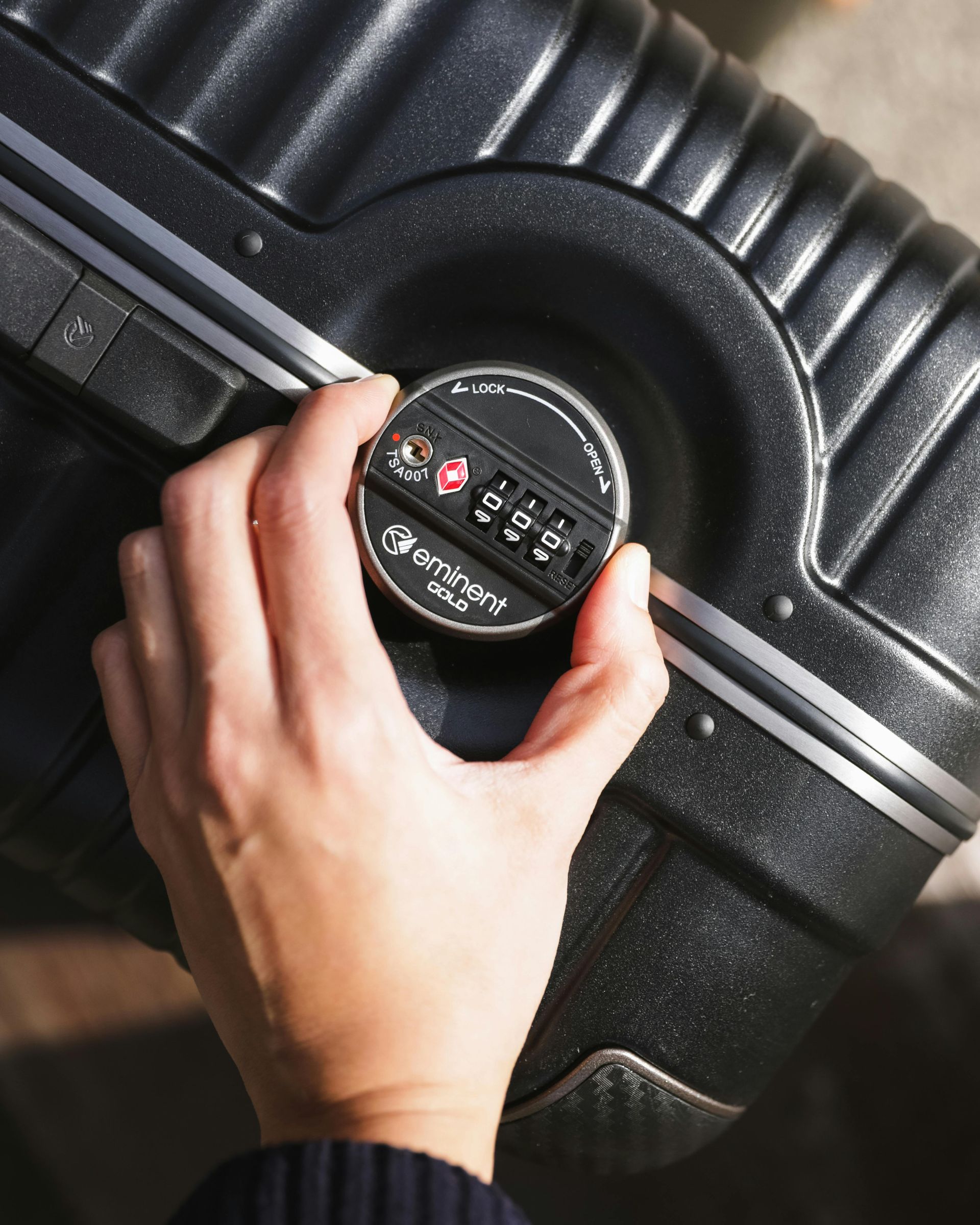
This is one of the top questions people ask before calling a locksmith. Rekeying what it means Rekeying resets the lock’s internal mechanism, so only new keys work. It’s cheaper and fast. Good for: Lost keys (but lock itself is fine) Moving house (if the existing locks are in good condition) Replacing when it’s better Changing the whole lock is best when: Locks are old or damaged You want stronger security You’re upgrading to smarter or multi-point systems A locksmith will recommend the best option after inspecting your hardware.
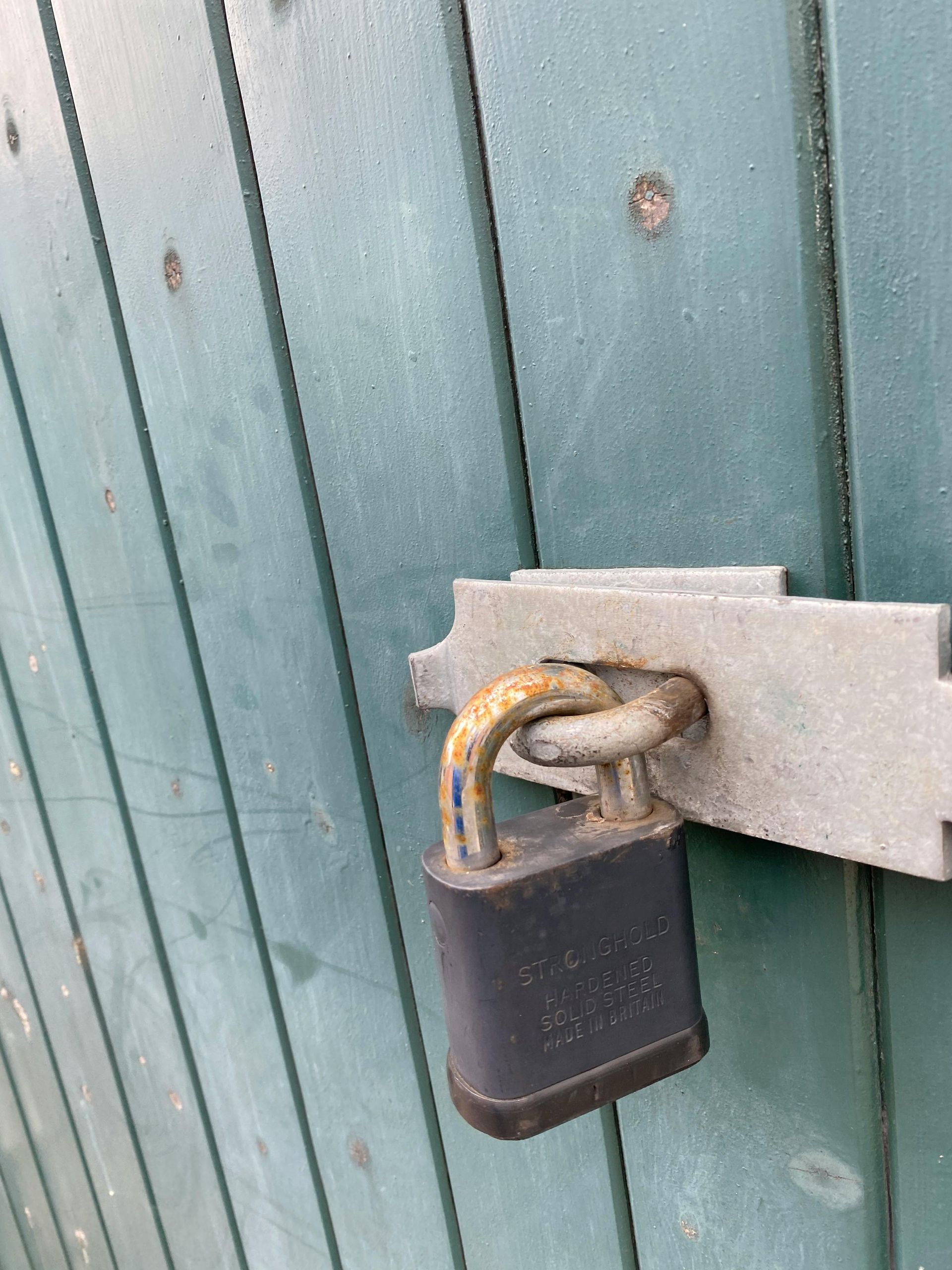
People searching for a locksmith often worry about cost before they call. So let’s break it down clearly. Typical locksmith pricing Costs depend on: Whether it’s an emergency call-out The time of day Type of service (e.g., unlock, change lock, install new security lock) Parts required Example ballpark figures Emergency opening (no lock change): £60–£150 Lock change (cylinder replacement): £80–£200+ UPVC multi-point lock repair: £100–£250+ High-security lock fitting: £150–£350+ These are typical ranges a local locksmith will confirm before work starts. Tips to avoid surprises Ask for a firm quote before work Confirm whether VAT is included Check if emergency call-outs cost extra Request parts costs upfront SMS Locksmith gives transparent quotes up front , so you’re never left guessing.